Is Your Money Losing Value Without You Noticing?
In daily life, many people have the habit of depositing money in banks, believing it to be both safe and profitable. However, many may not realize that the real value of their savings may be decreasing without their knowledge. Your money may be quietly depreciating at a rate of 1%-5% per year, especially if your wealth is primarily held in cash or bank deposits. This depreciation process is gradual and insidious, but its long-term cumulative impact should not be underestimated.
Why does money depreciate?
Inflation: The most direct cause
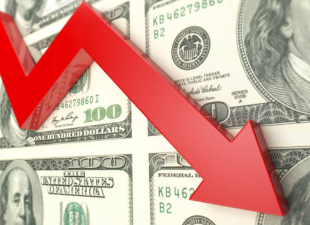
Principle: Simply put, it means there is more money in the market, but the total amount of goods and services has not increased accordingly, resulting in less that money can buy. Inflation refers to a sustained rise in the overall price level, leading to a decrease in the purchasing power of money. When the inflation rate is higher than the bank deposit interest rate, the real value of savings shrinks.
Excessive Money Supply and Money Creation
Where does money come from?
Misconception Correction: Many people believe that money depreciation is caused by the central bank's printing presses printing money at an excessive pace. In reality, 90% of the money in the market isn't directly printed by the central bank, but rather "created" by commercial banks through lending.
Low Interest Rate Environment
Deposit Returns Can't Keep Up with Inflation
Current Situation: To stimulate the economy, global interest rates have generally declined in recent years.
Negative Real Returns: If the inflation rate is 3%, and your deposit interest rate is 1.5%, then your money is actually depreciating at a rate of 1.5% per year. This is why many people feel that "money in the bank is becoming less and less valuable."
Why does inflation occur?
All economies want to develop, and money is the best indicator of this! Higher employment rates mean higher wages, which naturally leads to more money being printed, resulting in inflation. Therefore, this phenomenon is essentially a natural disaster; there's no way to avoid it, and it will persist as long as development continues.
Moreover, as long as inflation isn't too severe, it still has a positive impact on economic development. Therefore, we not only cannot escape it but must also acknowledge it; after all, true warriors must bravely face the bleak reality of inflation.
Summary
The devaluation of money is a long-term and widespread economic phenomenon. The key is not to fear it, but to understand it and take action. Instead of letting your money quietly shrink in a bank account, learn basic financial management skills to get your money moving, strive to outpace inflation, and achieve wealth preservation and growth.
Have you also felt the devaluation of your money? How do you usually manage your wealth?
previous post
Is Your Income Keeping Up With the Economy?
Related Articles